ARTICLE
New rival for toilet paper fundraisers – sports clubs are becoming social media influencers
The cost of children's sports keeps rising, and parents are working harder than ever to raise funds. Meanwhile, major advertisers including Kesko, DNA, Finnlines, Kaleva Vakuutus, St1 and Helsinki Outlet have already worked with Sport Vertical. Alongside traditional sponsorship, a new model is emerging: sports clubs and teams are becoming social media influencers for major brands. For clubs, it means new revenue. For advertisers, a new way to reach consumers.
The rising cost of youth sports raises another question: where will the money come from?
On 9 November, Finnish public broadcaster Yle highlighted a painful reality in grassroots sports: rising costs can prevent children from participating in the activities they love.
European orienteering champion Marika Teini described how her family's financial situation affected her sporting opportunities and how important financial support from clubs had been in allowing her to continue.
It's an important discussion. But alongside the question of how to reduce costs, we should also ask where sports clubs could find new sources of income without repeatedly turning to parents.
The traditional answer is familiar to almost every sports family.
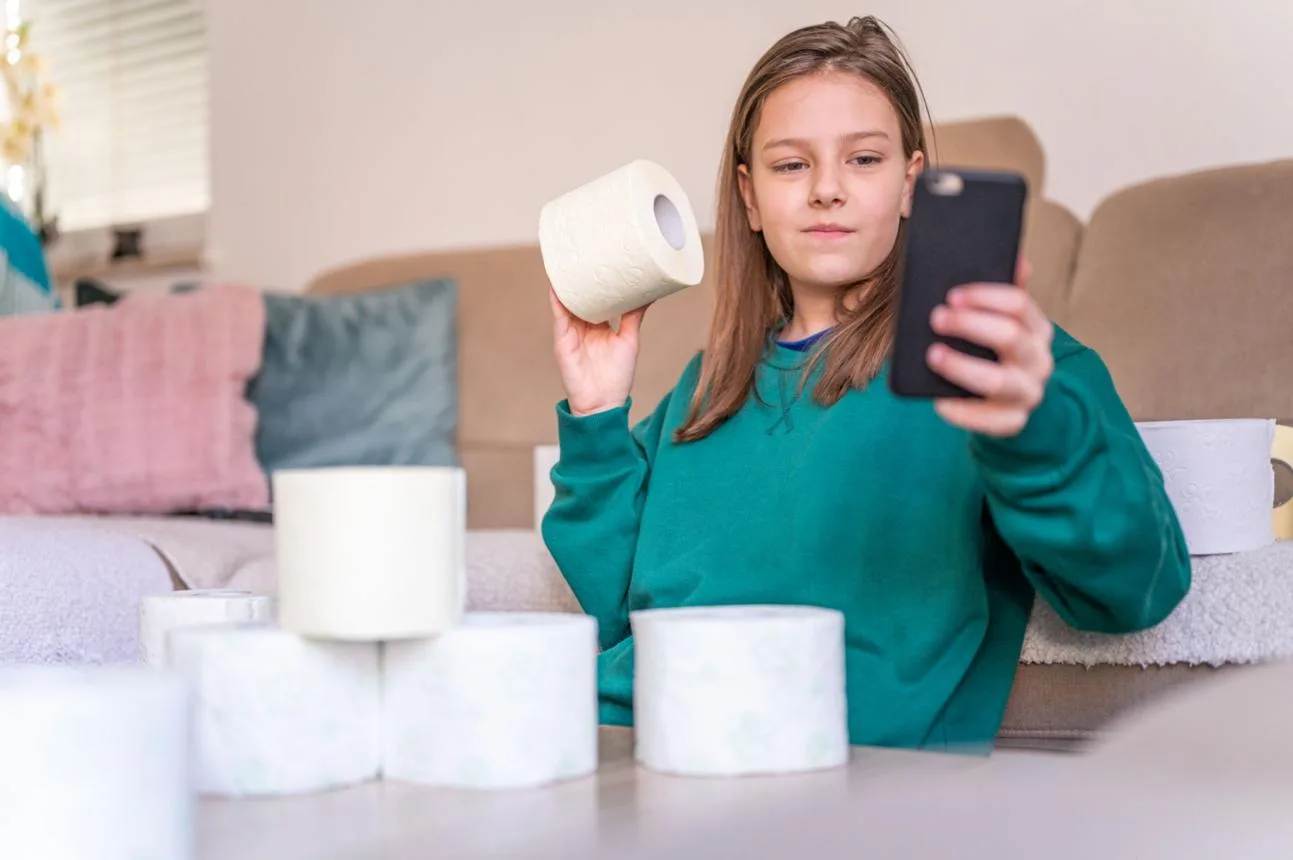
Toilet paper. Cookies. Socks. Fundraising. Volunteer hours.
There's nothing wrong with any of it. But what if sports clubs already had something far more commercially valuable at their fingertips?
Sponsoring sports clubs is nothing new. Turning them into influencers is.
Companies have sponsored sports clubs for decades. Their logos have appeared on jerseys, advertising boards and club websites.
But something more interesting is now happening.
Advertisers are beginning to use sports clubs' own social media channels for influencer marketing.
The club is no longer just a sponsorship property or somewhere to display an advertisement.
The club becomes the influencer.
When a club or team creates content for a company and publishes it through its own channels, the brand reaches people who already have a genuine connection to the publisher.
These audiences include parents, participants, local residents, former players and fans.
They don't follow a team because it's good at advertising. They follow it because the team matters to them.
That's where the commercial value of sports communities lies.
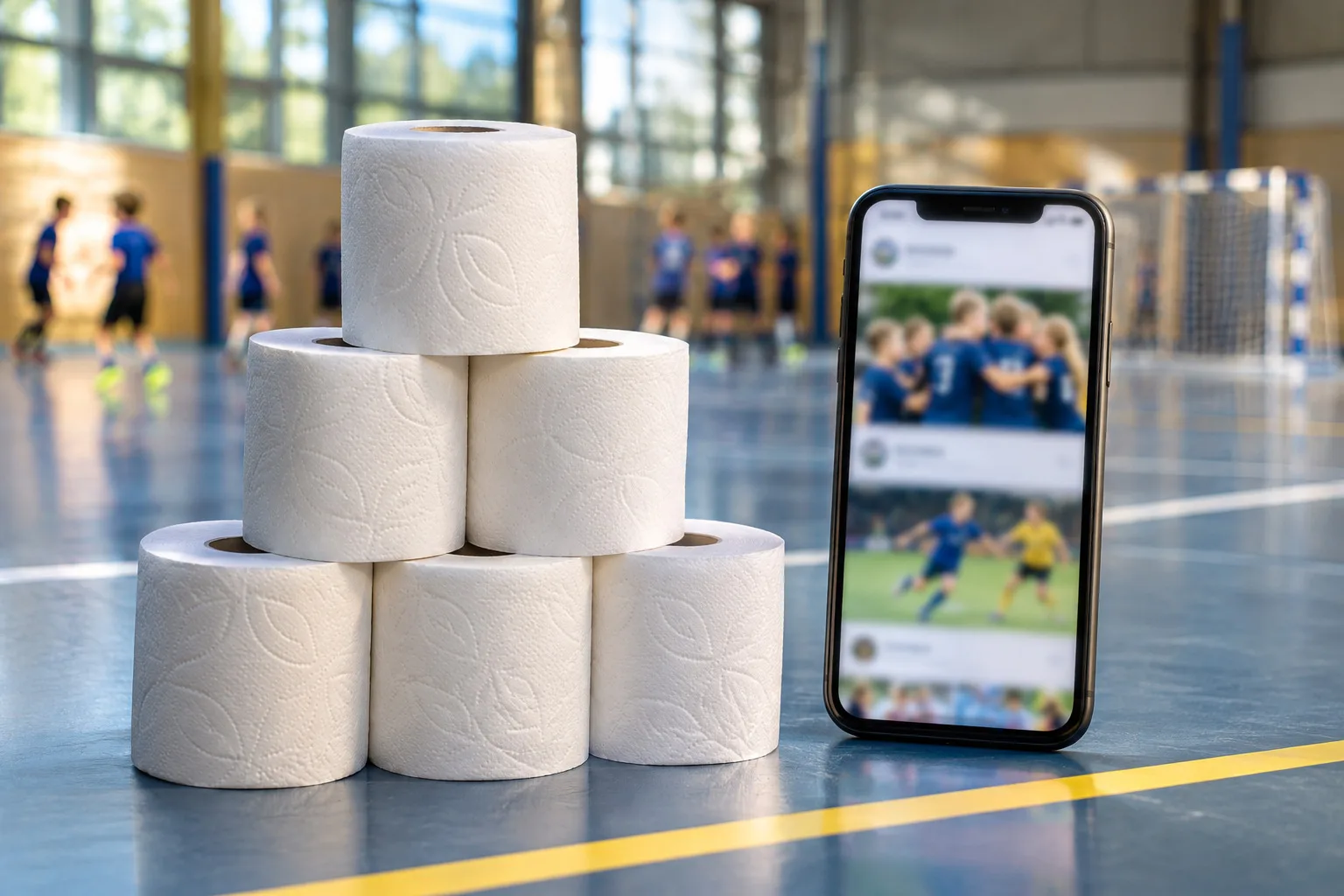
Influencer marketing is becoming a team sport
Influencer marketing has traditionally focused on individuals: social media personalities, athletes and content creators.
But why should an influencer always be one person?
A sports club or team can have its own personality, recognizable content style and loyal audience. Most importantly, it has a community that people genuinely feel part of.
At Sport Vertical, we call this Team Generated Content, or TGC.
Clubs and teams create content for advertisers in their own voice and publish it through their own social media channels. Commercial partnerships are clearly disclosed, and clubs retain control over which collaborations they participate in.
For the advertiser, it is influencer marketing where the content creator and publisher is a sports community rather than an individual.
At its best, a brand doesn't simply appear in the community's feed. It has a natural reason to be there, adding something relevant to the community while supporting its activities.
Major advertisers are already on board
This is not a vision for the future or an untested concept.
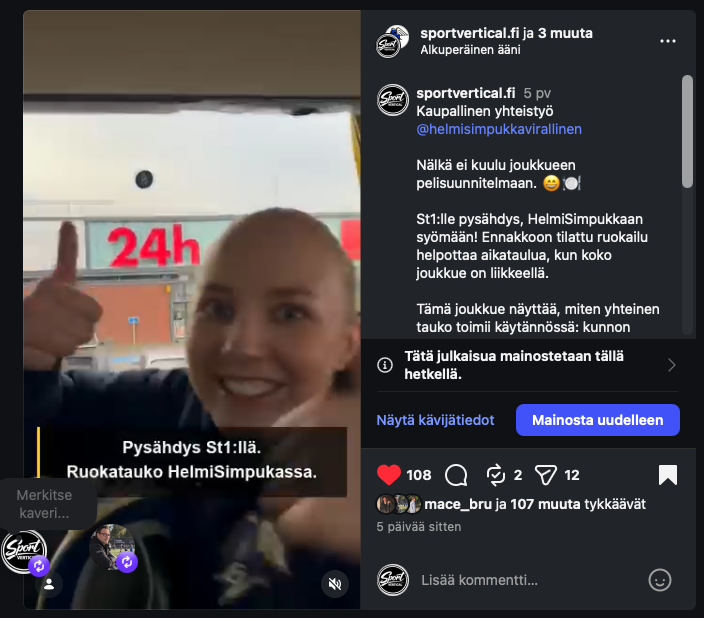
Companies including Kesko, DNA, Finnlines, Kaleva Vakuutus, St1 and Helsinki Outlet have already carried out marketing through Sport Vertical.
One example is K-Citymarket and Hope's Back to School campaign, where 18 sports clubs across Finland created and published campaign content through their own social media channels.
The clubs followed a shared brief but communicated the message in their own way.
In one week, the content generated 130,000 organic views and 3,500 likes, shares, saves or comments.
The campaign was about more than visibility. It supported a nationwide initiative encouraging people to donate school backpacks to children from low-income families. Across K-Citymarket and Hope's entire collection, 7,141 backpacks were donated, with the sports community campaign helping raise awareness.
It demonstrates what becomes possible when a national advertiser's message is brought to life through the authentic voices of local sports communities.
Marketing for advertisers. New revenue for clubs.
The commercial appeal of the model is simple: neither side needs to rely on charity.
The advertiser buys purposeful marketing with measurable results. Reach can also be extended through paid distribution when needed.
The participating club or team receives agreed compensation for its contribution.
Sport Vertical brings together suitable clubs and teams into a single campaign, managing sales, planning, briefing, content production coordination and reporting.
Advertisers can work with a single club or activate multiple communities across different regions and sports – all through one partner and one agreement.
Clubs don't need to build their own advertising sales operations. They can focus on what they know best: their community and creating content that feels authentic to it.
At the same time, part of a company's regular marketing budget flows directly into grassroots sports.
Could this help make sport more affordable?
Influencer marketing alone will not solve the financial challenges facing youth sports.
Researcher Kati Lehtonen, interviewed by Yle, rightly emphasizes the importance of examining sports participation costs and why they are increasing.
But we should also be talking much more about new revenue opportunities for clubs.
Companies are going to spend money on marketing anyway. If some of that spending can support grassroots sports while still delivering on commercial objectives, why shouldn't more companies explore the opportunity?
It's a model where effective marketing and supporting grassroots sports can go hand in hand.
There's still room for selling toilet paper. But perhaps the next big fundraising opportunity for junior sports clubs isn't sitting in a wholesaler's warehouse. It might already be right there on their Instagram accounts.
Sport Vertical connects advertisers, sports clubs, teams and athlete creators. We deliver purposeful, measurable marketing through sports communities while creating new commercial revenue opportunities for grassroots sports.
Original reporting:
Yle, 9 November 2026 (in Finnish): Marika Teini couldn't afford to become a competitive cross-country skier – researcher raises concerns about children's sports fees
Interested in bringing sports communities into your marketing?